A obra de Carlito Carvalhosa (n. 1961, São Paulo, Brasil – m. 2021, São Paulo, Brasil) envolve, predominantemente, pintura, escultura e instalação. Nos anos 1980, integrou, com Rodrigo Andrade, Fábio Miguez, Nuno Ramos e Paulo Monteiro, o ateliê coletivo Casa 7, de São Paulo. As tendências do neoexpressionismo eram visíveis na produção desses artistas, tendo em vista a utilização de superfícies de grandes dimensões e a ênfase no gesto pictórico. No fim dessa década, após a dissolução do grupo e alguns experimentos com encáustica, Carvalhosa concebeu quadros com cera pura ou misturada a pigmentos. Nos anos 1990, dedicou-se à produção de esculturas de aparência orgânica e maleável, utilizando materiais diversos, caso das “ceras perdidas”. Ainda em meados dessa década, fez também as esculturas em porcelana.
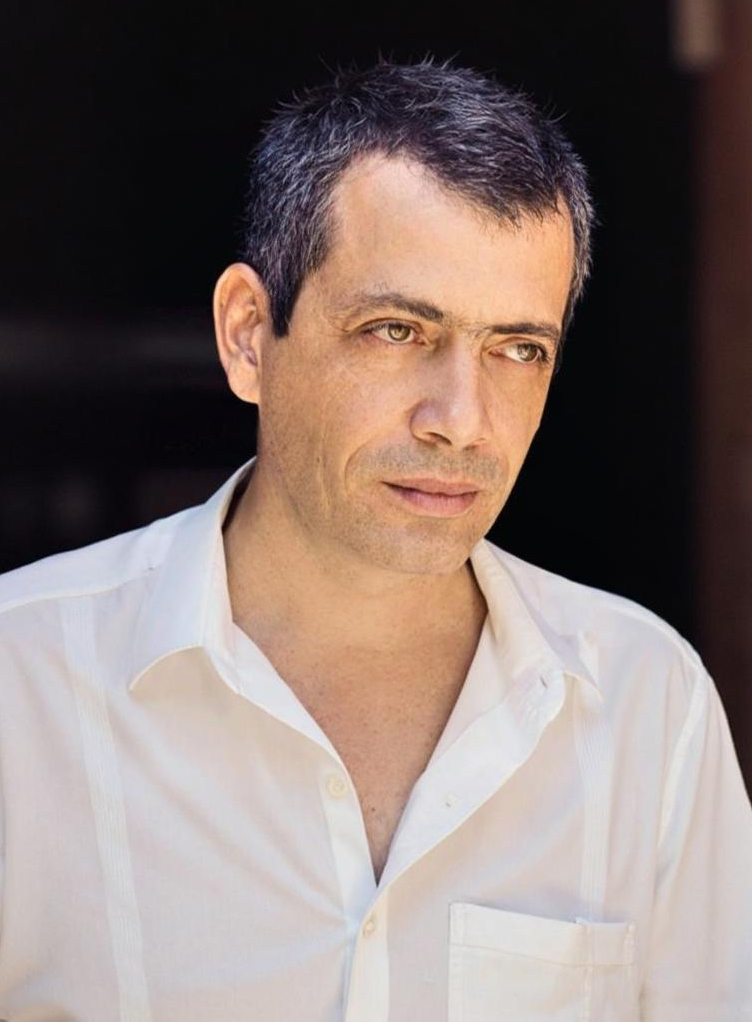
Carvalhosa attributed profound eloquence to the materiality of the support, but transcended it and addressed broader issues, related to the transformations of space and time. In his practice, we are faced with the tension between form and matter, made explicit in the disjunction between the visible and the tactile. What we see is not what we touch, just as what we touch is not what we see. From the 2000s onwards, the artist made paintings on mirrored surfaces that, in the words of curator Paulo Venâncio Filho, "place our presence within them". Not infrequently, Carvalhosa made installations in which, in addition to the usual techniques, he used materials such as fabrics and lamps.
His main solo exhibitions are: A Metade do Dobro, at the Tomie Ohtake Institute (2024), in São Paulo, Brazil; The Nature of Things, at Sesc Pompeia (2024), in São Paulo, Brazil; Matter as Image. Works from 1987 to 2021, at Nara Roesler (2022), in New York, United States; Waiting room, at the Museum of Contemporary Art of the University of São Paulo (MAC USP) (2013), in São Paulo, Brazil; Sum of Days, at the Museum of Modern Art (MoMA) (2011), in New York, United States; Corridor, Wall Project, at the Museum of Modern Art of São Paulo (MAM-SP) (2008), in São Paulo, Brazil; It was already like this when I arrived, at the Museum of Modern Art of Rio de Janeiro (MAM Rio) (2006), in Rio de Janeiro, Brazil.